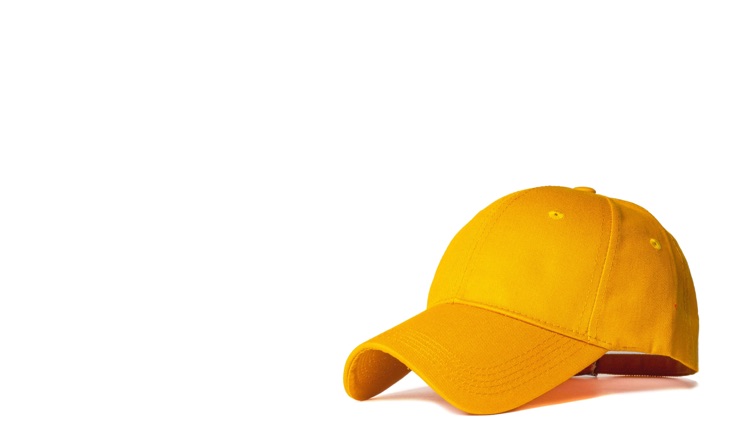
Performance headwear has to do more than carry a logo.
For sports, outdoor, golf, running, training, and lifestyle brands, a cap or visor needs to feel comfortable, manage sweat, keep its shape, and still look good after shipping and repeated wear. That puts more pressure on material choice, pattern control, decoration, and quality inspection.
When choosing a performance headwear manufacturer, buyers should look beyond the catalog and check how the supplier handles product development.
Start With the Activity
The first question is not “What is the cheapest cap?” It is “How will people use this headwear?”
A running cap may need low weight, flexible structure, airflow, and quick-dry fabric. A golf cap may need a cleaner retail look, stable brim, and premium logo finish. An outdoor cap may need sun coverage, durable fabric, and packability. A gym or training cap may need sweat control and a comfortable fit.
The activity affects almost every specification:
- Fabric
- Crown profile
- Brim shape
- Sweatband
- Closure
- Logo technique
- Ventilation
- Packing
- Testing method
If the use case is vague, the sample will usually be vague too.
Material Knowledge Matters
Performance headwear depends heavily on fabric behavior.
Lightweight polyester, nylon, stretch fabric, mesh, perforated panels, and blended technical materials can all work, but each has tradeoffs. Some fabrics breathe well but lack structure. Some hold shape but feel warmer. Some look premium but are harder to decorate cleanly.
A capable manufacturer should be able to explain why a fabric suits a specific product instead of only showing a swatch book.
Ask practical questions:
- Will the fabric hold the crown shape?
- Does it work with embroidery or heat transfer?
- How does it behave after sweating or washing?
- Is color matching stable in bulk?
- Does it wrinkle during packing?
These answers matter more than a generic claim that the fabric is high quality.
Fit Is Part of Performance
Headwear comfort depends on fit. Crown depth, panel shape, stretch, sweatband, closure, and brim curve all affect how the product feels.
For active use, poor fit becomes obvious quickly. The cap may move during activity, feel tight after longer wear, or sit awkwardly on different head shapes.
Brands should review samples on real people, not only on a mannequin or desk. If the target market includes a broad range of customers, test the sample across multiple head sizes.
Decoration Should Match the Product
Performance headwear often needs branding that is clean but not uncomfortable.
Embroidery is durable and familiar, but it can add weight or stiffness. Heat transfer can feel lighter and more technical, but it needs controlled application. Silicone, TPU, woven, rubber, and leather patches can create different brand impressions.
The manufacturer should recommend decoration methods based on fabric, logo size, and use case. Buyers should ask to see decoration on the actual cap material before approving bulk production.
Sampling Is a Development Step
Sampling should not be treated as a formality.
The first sample tests whether the idea can become a real product. It should be reviewed for shape, comfort, fabric hand feel, sweatband, logo position, stitching, color, packaging, and construction consistency.
Useful sample feedback is specific. Instead of saying the cap “doesn’t feel right,” explain whether the issue is crown depth, brim stiffness, front panel structure, sweatband texture, or logo placement.
Clear comments help the supplier revise the product faster.
Production Control Reduces Risk
Bulk production introduces risks that may not appear in one sample.
Fabric lots can vary. Logo placement can drift. Crown shape can change if packing is not controlled. Stitching quality can drop if inspection standards are unclear.
Before production, confirm:
- Approved sample
- Material reference
- Pantone or color standard
- Logo file and placement
- Tolerance range
- Packing method
- Inspection checklist
- Defect classification
For performance products, consistency is part of brand trust.
What to Look For in a Supplier
A strong supplier should be able to discuss product use, not only unit price.
Look for a manufacturer that can help with fabric selection, sample revision, decoration testing, production planning, and QC. Also check communication speed and whether the team asks useful questions before quoting.
The best partner is not always the lowest-price factory. It is the supplier that can produce the cap your customer expects and repeat it reliably.
Conclusion
Performance headwear projects succeed when the buyer and manufacturer define the product clearly before bulk production.
Start with the activity, choose materials for real wear conditions, test fit, match logo technique to the fabric, and set production controls early. These steps help sports and lifestyle brands build headwear that performs in use instead of only looking good in sample photos.